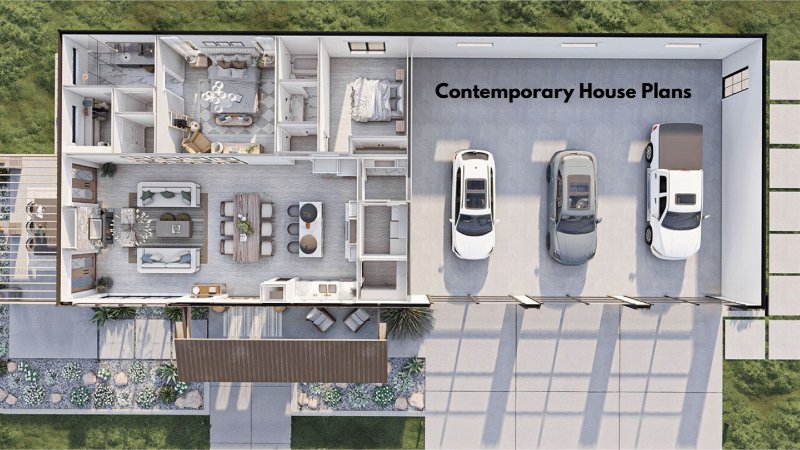
In recent years, contemporary house plans have become increasingly popular among homeowners, architects, and property developers. These home designs focus on modern lifestyles, combining stylish architecture with practical functionality. Unlike traditional houses that rely heavily on historical design elements, contemporary homes emphasize simplicity, open spaces, and innovative materials.
A contemporary house is not defined by a single fixed style. Instead, it reflects current architectural trends and adapts to changing needs. Many homeowners prefer these plans because they provide comfort, energy efficiency, and a visually appealing design that fits modern living.
From urban areas to suburban communities, contemporary house plans offer flexible layouts and creative structures that make everyday life more convenient and enjoyable.
What Are Contemporary House Plans?
Contemporary house plans refer to modern home designs that follow current architectural trends rather than traditional patterns. These homes often feature clean lines, simple shapes, and open floor layouts that create a sense of space and light.
One of the key ideas behind contemporary design is functionality. Every part of the house is designed to serve a purpose while maintaining a sleek and attractive appearance. Large windows, minimal decoration, and natural materials are commonly used to achieve this effect.
Another important aspect of contemporary house plans is their adaptability. Designers often modify these plans to suit different climates, family sizes, and personal preferences, making them suitable for a wide variety of homeowners.
Key Features of Contemporary House Plans
Contemporary homes share several distinctive characteristics that separate them from older architectural styles.
Open Floor Layouts
Most contemporary house plans remove unnecessary walls and barriers. Living rooms, kitchens, and dining areas are often combined into one large space. This layout encourages interaction among family members and creates a more welcoming environment.
Large Windows and Natural Light
Modern homes typically include large glass windows or sliding doors. These allow sunlight to enter the home and help reduce the need for artificial lighting during the day.
Simple and Clean Design
Contemporary architecture favors minimalism. Instead of heavy decorative elements, designers use smooth surfaces, neutral colors, and balanced shapes.
Sustainable Materials
Many contemporary houses incorporate environmentally friendly materials and energy-efficient systems. Solar panels, smart lighting, and energy-saving insulation are often part of these plans.
Types of Contemporary House Plans
Different types of contemporary homes exist to suit various lifestyles and property sizes.
Single-Story Contemporary Homes
Single-story designs are ideal for families who prefer convenience and easy movement within the house. These homes often include open spaces and wide layouts that maximize comfort.
Two-Story Contemporary Homes
Two-story contemporary houses are perfect for maximizing living space on smaller plots of land. Bedrooms are usually located upstairs, while the living and entertainment areas remain on the ground floor.
Compact Contemporary Homes
Compact designs focus on efficiency and smart space usage. These plans are popular in urban areas where land availability is limited.
Luxury Contemporary Homes
Luxury contemporary homes combine modern architecture with premium materials and advanced technology. These houses often include features such as home theaters, swimming pools, and spacious outdoor areas.
Advantages of Contemporary House Plans
Contemporary homes offer many benefits that appeal to modern homeowners.
First, they provide excellent space efficiency. Open layouts allow rooms to serve multiple purposes, making the home feel larger and more flexible.
Second, contemporary designs often include energy-efficient systems. Better insulation, smart appliances, and natural lighting help reduce electricity consumption and lower utility costs.
Another advantage is modern aesthetics. Clean lines and minimalist architecture create a stylish appearance that remains attractive for years.
Finally, contemporary homes are highly customizable. Architects can easily adjust the layout to match the owner’s lifestyle, preferences, and family size.
Important Elements in Contemporary House Plans
Below is a table highlighting some essential elements commonly found in modern contemporary homes.
| Element | Description |
|---|---|
| Open floor plan | Combines kitchen, living, and dining areas into one spacious environment |
| Large glass windows | Provide natural light and outdoor views |
| Minimalist interiors | Focus on simplicity and uncluttered spaces |
| Sustainable materials | Use eco-friendly construction materials |
| Smart home technology | Allows automated lighting, security, and temperature control |
How to Choose the Right Contemporary House Plan
Selecting the perfect house plan requires careful consideration of several factors.
The first step is evaluating your lifestyle needs. Families with children may require extra bedrooms, while professionals working from home might need a dedicated office space.
Next, consider the size of your land or plot. Some contemporary designs work best on large open spaces, while others are specifically created for smaller urban lots.
Another important factor is future flexibility. A well-designed contemporary house should allow easy modifications if your family grows or your lifestyle changes.
Working with an experienced architect or designer can also help ensure that the house plan fits your budget and local building regulations.
Contemporary House Plans and Modern Living
Modern lifestyles demand homes that are comfortable, efficient, and visually appealing. Contemporary house plans meet these expectations by combining innovative design with practical functionality.
For more informations, click here