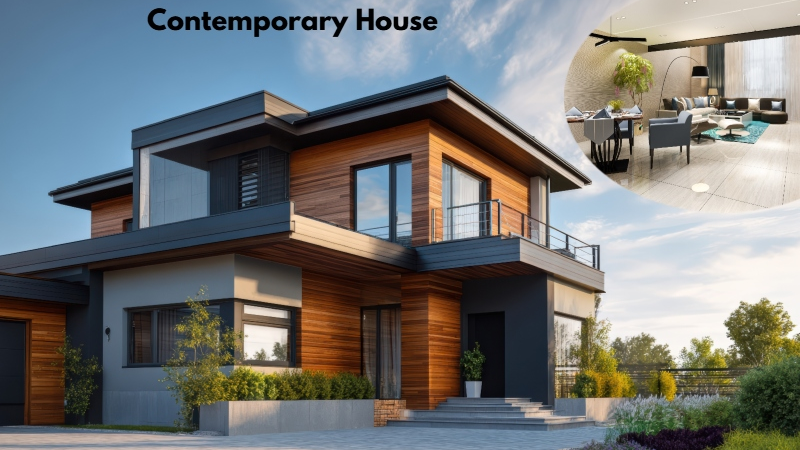
A contemporary house reflects the lifestyle, technology, and design trends of the present time. Unlike traditional homes that follow fixed architectural patterns, contemporary homes evolve as new materials, technologies, and aesthetic ideas emerge. These homes are designed to create open, comfortable living environments that emphasize simplicity, natural light, and functionality.
In recent years, contemporary house designs have become increasingly popular among homeowners who want spaces that feel modern, efficient, and connected to nature. With clean lines, sustainable materials, and flexible layouts, contemporary homes offer a refreshing alternative to conventional housing styles.
This guide explores what defines a contemporary house, its key features, design elements, benefits, and tips for creating a beautiful contemporary living space.
What Is a Contemporary House?
A contemporary house refers to a home designed according to the architectural styles and innovations of the current era. Unlike modern architecture—which specifically refers to designs from the early to mid-20th century—contemporary architecture constantly evolves and adapts to new design trends.
These homes often combine aesthetics with practicality. They focus on maximizing space, incorporating sustainable materials, and using modern technologies that improve comfort and efficiency.
Key Characteristics of Contemporary Homes
| Feature | Description |
|---|---|
| Open Floor Plans | Living spaces flow together without many interior walls |
| Large Windows | Allow natural light and connect indoor spaces with outdoor views |
| Clean Lines | Minimal ornamentation and sleek architectural forms |
| Sustainable Materials | Use of eco-friendly wood, steel, glass, and recycled materials |
| Neutral Color Palettes | Simple colors such as white, gray, black, and natural tones |
These elements create homes that feel bright, airy, and visually balanced.
The Evolution of Contemporary Home Design
The concept of the contemporary house has evolved over time as architects and designers respond to changing lifestyles. Earlier residential designs often focused on formal rooms with clear separations, but contemporary homes favor open spaces that encourage social interaction.
Technological innovations have also influenced contemporary architecture. Smart lighting systems, energy-efficient insulation, and automated home controls are now commonly integrated into modern homes.
Another major shift has been the emphasis on sustainability. Many contemporary houses incorporate environmentally friendly designs, such as solar panels, rainwater collection systems, and energy-efficient appliances. like lwmfpets
Architectural Elements of a Contemporary House
1. Open Living Spaces
One of the defining characteristics of a contemporary house is the open floor plan. Instead of separate rooms for living, dining, and kitchen areas, these spaces often merge into one large shared environment.
This design creates a sense of spaciousness and allows families to interact more easily throughout the day.
2. Extensive Use of Glass
Large windows and glass doors are commonly used in contemporary homes. These elements help bring natural light inside while creating a visual connection with outdoor landscapes.
Sliding glass doors, floor-to-ceiling windows, and skylights are typical features in many contemporary houses.
3. Minimalist Design
Contemporary homes often embrace minimalism. Rather than decorative details, the focus is placed on structure, texture, and space.
Simple furniture, uncluttered surfaces, and subtle color schemes contribute to a calm and sophisticated atmosphere.
4. Integration with Nature
Many contemporary house designs aim to blend indoor and outdoor living. Courtyards, patios, rooftop gardens, and large balconies allow homeowners to enjoy natural surroundings while maintaining comfort.
Interior Design Trends in Contemporary Houses
Interior design plays an important role in enhancing the beauty and practicality of a contemporary home. Designers often prioritize comfort, functionality, and simplicity.
Popular Interior Features
| Design Element | Purpose |
|---|---|
| Neutral Color Schemes | Creates a calm and timeless atmosphere |
| Natural Materials | Wood, stone, and metal add warmth and texture |
| Smart Storage Solutions | Hidden cabinets and multi-purpose furniture maximize space |
| Statement Lighting | Modern lighting fixtures enhance visual appeal |
| Functional Furniture | Simple yet comfortable furniture improves usability |
These design choices help maintain the clean and elegant appearance associated with contemporary homes.
Advantages of Living in a Contemporary House
Choosing a contemporary house offers several benefits that go beyond aesthetics. These homes are designed to support modern lifestyles while promoting efficiency and comfort.
Better Space Utilization
Open floor plans make homes feel larger and more welcoming. By eliminating unnecessary walls, contemporary houses allow for flexible use of space.
Energy Efficiency
Many contemporary homes include energy-saving technologies such as insulated windows, solar panels, and efficient heating and cooling systems. These features can significantly reduce energy costs.
Improved Natural Lighting
Large windows and glass panels allow natural light to fill interior spaces. This reduces the need for artificial lighting and creates a more pleasant living environment.
Modern Lifestyle Compatibility
Contemporary houses are often designed with modern lifestyles in mind. Features such as home offices, entertainment spaces, and smart home technologies make daily life more convenient.
Contemporary House vs Traditional House
Understanding the difference between contemporary and traditional homes can help homeowners choose the design style that best suits their preferences.
| Feature | Contemporary House | Traditional House |
|---|---|---|
| Architecture | Clean, geometric lines | Decorative and classic designs |
| Layout | Open floor plan | Separate rooms |
| Materials | Glass, steel, concrete | Brick, wood, stone |
| Colors | Neutral tones | Warmer traditional palettes |
| Technology | Often integrated with smart home systems | Limited technological integration |
Both styles have their own charm, but contemporary houses tend to appeal to people seeking modern and flexible living spaces.
Tips for Designing Your Own Contemporary House
If you plan to build or renovate a contemporary house, thoughtful design choices can help create a balanced and stylish home.
Focus on Simplicity
Avoid excessive decoration and prioritize simple architectural forms. Clean lines and uncluttered spaces are essential for achieving a contemporary look.
Maximize Natural Light
Incorporating large windows and glass doors can make interiors feel brighter and more inviting.
Choose Quality Materials
High-quality materials such as natural wood, stone, and metal can add durability and elegance to your home.
Create Indoor-Outdoor Connections
Adding patios, decks, or garden spaces can enhance the living experience and bring nature closer to everyday life.
Use Smart Technology
Modern homes benefit greatly from smart lighting, security systems, and automated climate control.
The Future of Contemporary House Design
Contemporary architecture continues to evolve as new technologies and environmental concerns influence residential design. Future homes are expected to emphasize sustainability, energy independence, and advanced automation.
Architects are experimenting with innovative materials, modular construction methods, and environmentally friendly building practices. As urban populations grow and climate awareness increases, contemporary houses will likely become even more efficient and adaptable.
These innovations will shape homes that not only look modern but also support healthier and more sustainable living environments.
Conclusion
A contemporary house represents more than just a modern architectural style—it reflects the way people live today. With open layouts, abundant natural light, sustainable materials, and advanced technologies, contemporary homes provide comfort, efficiency, and aesthetic appeal.
Whether you are building a new home or redesigning an existing one, embracing contemporary design principles can create a living space that feels both stylish and practical. As architecture continues to evolve, contemporary houses will remain at the forefront of modern living, offering innovative solutions that meet the needs of today’s homeowners. Visit contemporaryhouse.org for more details.